
* All product/brand names, logos, and trademarks are property of their respective owners.
Some people walk into a room wearing the most basic outfit and still look instantly stylish. It is not always about designer labels, expensive pieces, or following every trend. More often, it comes down to how the outfit is perceived.
That is where the psychology of style becomes interesting. When people see you, their brain makes quick judgments before they even realize it. They notice whether your outfit feels balanced, intentional, clean, confident, and easy to read. Those small signals shape the impression of style almost immediately.
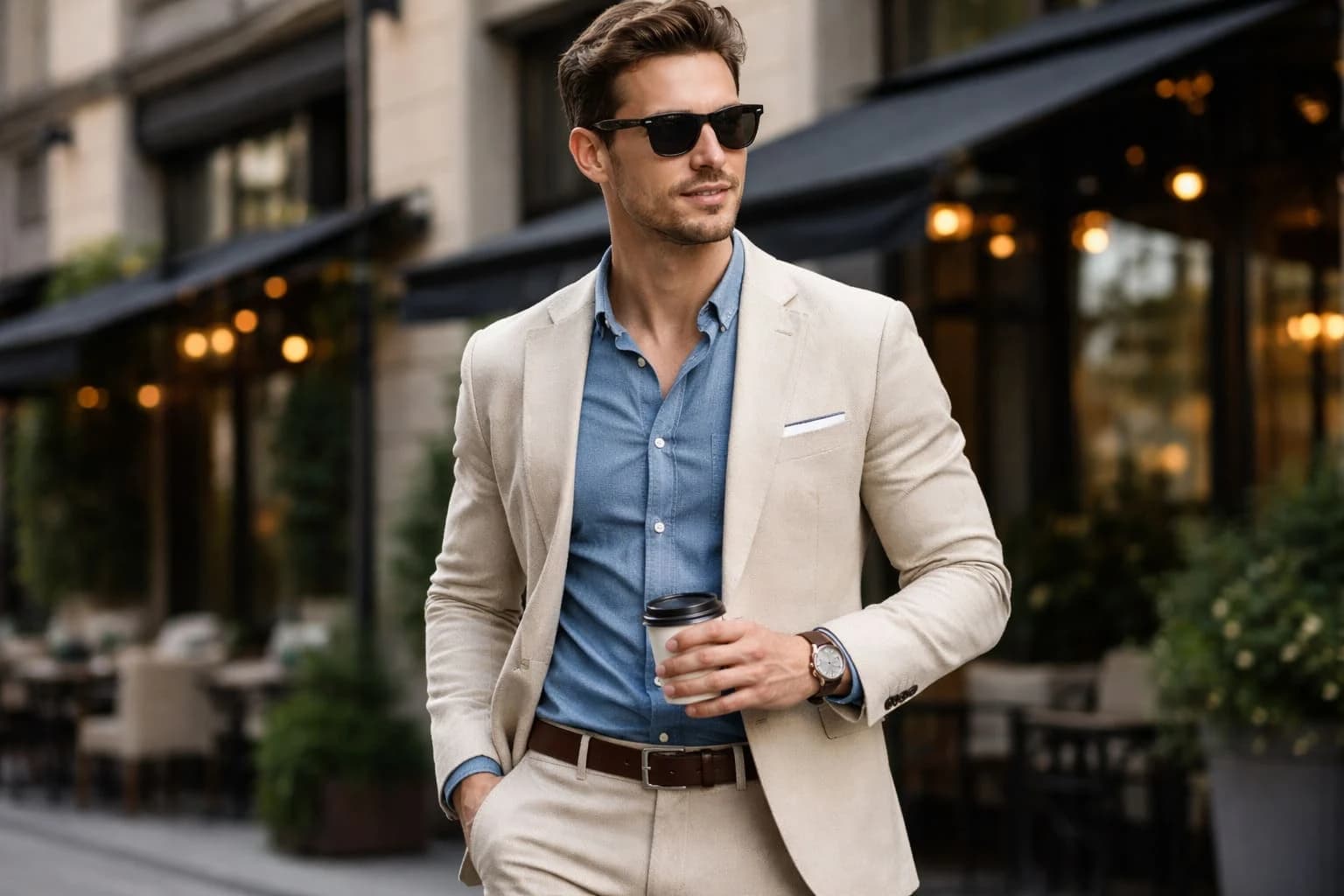
In other words, looking stylish is not just about what you wear. It is about what your clothes quietly communicate. A well-fitted blazer, clean shoes, calm colors, or a simple outfit with one strong detail can make you look polished because the brain reads those choices as controlled and confident.
This is why style often feels instant. People are not analyzing every item one by one. They are responding to the overall message. When your look feels clear and intentional, it naturally comes across as more stylish.
When people say someone looks stylish, they are usually reacting to more than the clothes themselves. They are reacting to the overall impression those clothes create.
The human brain is fast. It loves shortcuts. Within seconds, people notice whether someone looks organized, confident, relaxed, sharp, creative, or careless. That judgment often happens before a single word is spoken. Style works inside that quick first impression.
This is why two people can wear very similar outfits and still come across very differently. One may look polished, while the other looks ordinary. The difference is often in the visual message. Does the outfit feel intentional? Does it fit well? Do the colors work together? Does the person seem comfortable in what they are wearing?
At its core, style is about signaling. Your outfit sends quiet cues such as:
That is why style is not just about fashion trends. Fashion changes all the time. Perception stays powerful. An outfit feels stylish when it gives people a sense of clarity, balance, and self-assurance.
In simple terms, people often read “stylish” as “intentional.” Even a plain white shirt and dark trousers can look elevated when the whole look feels clean, balanced, and deliberate.

One of the fastest ways to look stylish is to make your outfit feel visually connected. The brain naturally likes order and harmony. When colors, shapes, textures, and proportions work well together, the whole look feels easier to process. That ease often gets read as style.
This does not mean everything has to match perfectly. It just means the outfit should feel like it belongs together.
For example:
On the other hand, when an outfit feels random, the brain notices the disconnect. Even expensive pieces can lose their impact when they fight each other visually.
Stylish people often look stylish because their outfits send one clear message, not five different ones at once.
Fit is one of the strongest psychological signals in clothing. Well-fitted clothes suggest self-awareness. They make it seem like you understand your body, know what works for you, and care about presentation.
That is why fit often matters more than brand.
A simple outfit can look elevated when:
When clothes fit well, they create structure. Structure is often associated with confidence, control, and competence. Poor fit does the opposite. It can make even good clothing look awkward, distracting, or unfinished.
People may not always say, “That outfit fits perfectly,” but they do notice the result. They read it as polished.
There is a reason simple outfits often feel stronger than overdone ones. The mind tends to trust what feels clear. When an outfit is too busy, the eye keeps searching for where to land. When it is simple, the message becomes immediate.
This is why a clean, minimal look can feel expensive and powerful even when it is made from basic pieces.
Simplicity works because it creates:
A person wearing a plain black outfit, clean shoes, and one sharp accessory may look more stylish than someone wearing trendy pieces all at once. Not because they are wearing more, but because they are wearing less with intention.
Style often becomes stronger when you stop trying to prove it.
Color affects how people feel about an outfit before they think about the design. Certain shades create quick emotional associations, and those associations shape how stylish someone appears.
A few common examples:
The key is not choosing “the best” color. It is choosing colors that support the message you want to send. When colors feel balanced and intentional, they make the whole outfit look smarter.
Too many competing colors can weaken that effect. A controlled palette usually looks more refined because it feels easier on the eye.
That is why stylish dressing is often less about color trends and more about color control.
Small details can completely change how an outfit is perceived. Clean shoes, neat grooming, a watch, pressed fabric, or a well-chosen bag may seem minor, but they send strong signals.
These details suggest:
People often describe this as someone having “good taste,” but what they are really noticing is attention. The outfit looks finished. It feels considered.
This is also why two very basic outfits can land differently. One person adds clean lines, polished grooming, and one subtle detail, and suddenly the look feels complete.
Style is often built in these quiet choices. Not loud ones.
Here’s a simple way to understand how small style decisions create a strong impression:
| Style Element | Psychological Effect | Why It Works |
|---|---|---|
| Fit | Confidence | Signals control and self-awareness |
| Simplicity | Authority | Reduces mental clutter, feels intentional |
| Color | Emotional response | Triggers quick associations in the brain |
| Coordination | Trust | Feels organized and put together |
| Grooming | Respect | Signals discipline and attention to detail |
This table highlights something important: people are not reacting to clothes randomly. They are responding to signals their brain already understands.
For example, when someone wears a well-fitted, simple outfit in calm colors, the brain reads it as “clear and controlled.” That clarity creates a sense of confidence and ease, which we then label as style.
On the other hand, when too many elements compete—clashing colors, poor fit, messy details—the brain has to work harder to make sense of the look. That slight confusion weakens the impression, even if the individual pieces are good.
This is why style often feels instant. The brain is not analyzing every detail one by one. It is scanning for patterns:
When the answer is yes, the person appears stylish without effort.

There’s a common assumption that higher price equals better style. In reality, the brain doesn’t read price tags—it reads signals.
You can wear expensive pieces and still not look stylish if those signals are missing. At the same time, someone in a simple, affordable outfit can look sharp because everything feels intentional.
Here’s why price alone doesn’t work:
What actually matters is how the outfit is perceived as a whole.
For example:
A clean, well-fitted outfit in neutral tones with polished shoes will almost always look more stylish than a mix of designer items that clash or feel overdone.
This is because people subconsciously ask:
Expensive clothing can enhance style, but only when the psychological triggers are already in place. Without those, price becomes invisible.
That’s why truly stylish people don’t rely on brands alone. They rely on clarity, balance, and intention—things that cost nothing but make a visible difference.
Style doesn’t just change how others see you—it changes how you see yourself.
This is where a simple psychological idea comes in: what you wear can influence how you think, feel, and behave. When you dress in a way that feels intentional and put together, your mindset often shifts without you realizing it.
You stand a little straighter.
You speak with more clarity.
You feel more in control.
That shift is powerful because people don’t just respond to your clothes—they respond to your energy.
It’s a simple cycle:
Over time, this becomes a loop.
The more you experience it, the more natural it feels.
This is why style can feel immediate. It’s not just visual—it’s behavioral.
Two people can wear the same outfit, but the one who feels comfortable and confident in it will almost always come across as more stylish. Not because the outfit changed, but because the presence did.
That presence shows up in small ways:
People pick up on these cues quickly, even if they can’t explain them.
Instead of asking:
“Do I look stylish?”
A better question is:
“Do I feel like myself in this?”
Because when your outfit aligns with how you want to feel, the confidence becomes real—and that’s what people notice first.
Style, at its core, is not about impressing others. It’s about alignment. When what you wear matches how you carry yourself, the result feels effortless.
And that’s exactly what people recognize as style.

Looking stylish has less to do with having more clothes and more to do with sending the right signals.
When an outfit feels balanced, well-fitted, simple, and intentional, the brain reads it instantly as confident and put together. That’s the real psychology of style at work. People are not judging every detail—they’re responding to the overall message.
The good news is that this is something you can control.
You don’t need expensive brands or a complete wardrobe change. Small shifts—clean lines, better fit, fewer distractions, and thoughtful details—can completely change how your style is perceived.
If there’s one thing to take away, it’s this:
Style is not about trying harder. It’s about being clearer.
When your outfit feels clear and intentional, you don’t just look stylish—you come across as stylish, almost instantly.
Read More
My Sustainable Fashion Journey: What I Learned Along the Way

Feroza Arshad is a writer and content creator covering a range of subjects including news and current affairs, automobiles, sports, technology and coding, digital marketing, and Google and search trends. Her work appears across several blogs and publications. She focuses on clear, well-researched, and genuinely useful writing — breaking down developments, reviewing products, and explaining technical topics in plain language anyone can follow.
Festive fashion in Pakistan has always been more than just clothing—it’s a reflection of
22 April 2026
I used to love how wide-leg pants looked on other people… but every time I tried them, someth
21 April 2026
A lot of men hear the term smart casual and immediately feel confused. Is it formal? Is it relaxed?
20 April 2026
Be the first to share your thoughts
No comments yet. Be the first to comment!
Share your thoughts and join the discussion below.